
What is pressure washing?
Pressure washing uses a motor-driven pump to spray water at high pressure and strip dirt, mildew, algae, oil and loose paint from hard exterior surfaces. In San Antonio it is most often used on driveways, sidewalks, patios, brick, siding, fences and decks. It is fast, it uses plain water or a mild detergent, and it can make a tired exterior look new in a single visit.
The key word is hard. Pressure washing is built for concrete, masonry and sturdy siding, not for the roof. Roofs need a gentler process, which is covered under Soft Wash. If your main concern is the roof itself, start with our page on roof cleaning in San Antonio.
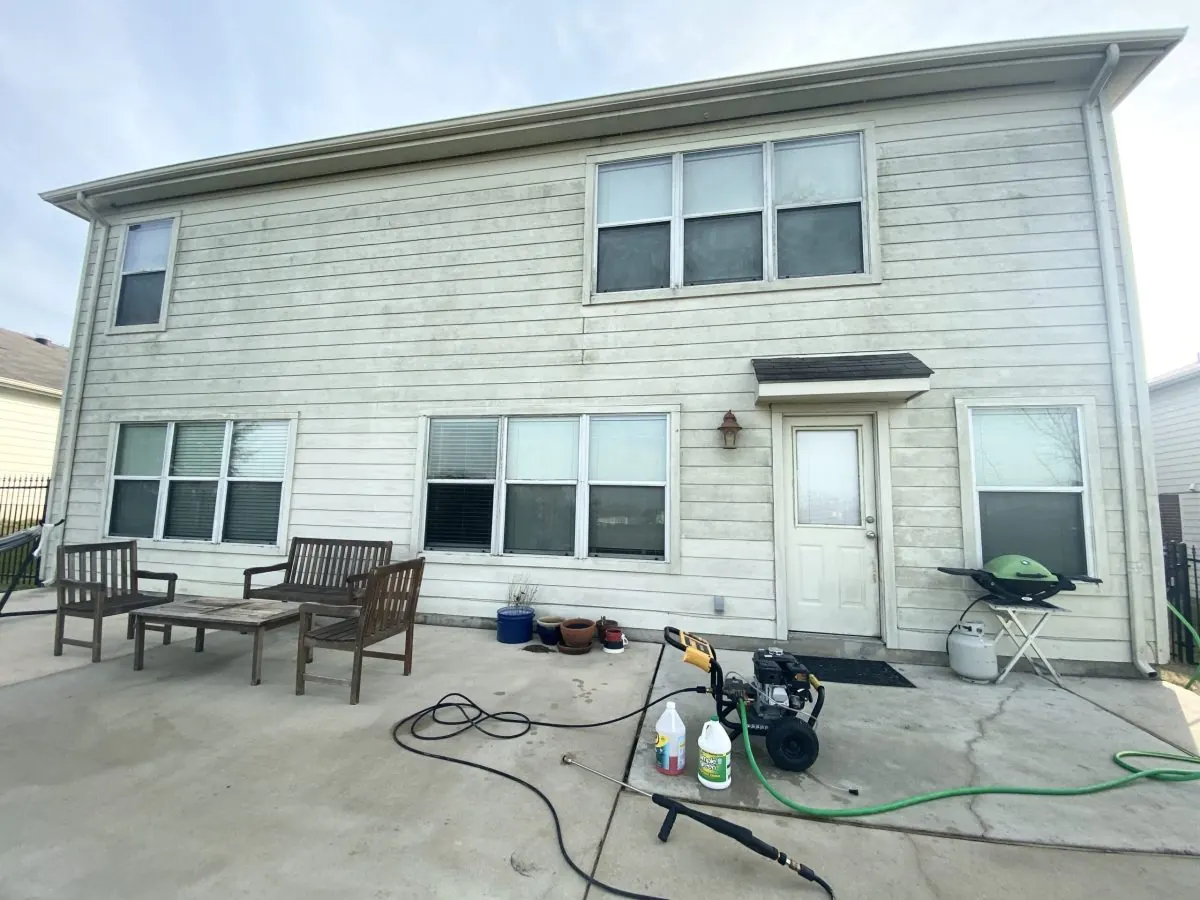
People often compare pressure washing with soft washing. Pressure washing relies on force to lift dirt, so it suits hard, durable surfaces. Soft washing relies on a cleaning solution and a gentle rinse, so it suits roofs and delicate siding. Many homes need both, each used on the right part of the property.
How does pressure washing work?
A gas or electric engine drives a pump that pushes water through a narrow nozzle. The pressure is measured in PSI, and the flow in gallons per minute. High pressure lifts dirt off the surface, while higher flow rinses it away.
- Pressure wash with a surface cleaner. A spinning bar on a flat housing cleans driveways and patios evenly and avoids stripes.
- Detergent first. A cleaner is applied to loosen mildew and oil, then rinsed away.
- Hot or cold water. Hot water cuts grease better, while cold water is enough for most dirt.
- Nozzle choice. A wide fan tip is gentle, while a narrow tip is strong and can scar wood or soft stone.
Pressure is only half the story. Flow rate decides how fast dirt is carried away, which is why a larger machine with a surface cleaner finishes a driveway far faster than a small unit with a wand. Distance matters too, since moving the tip closer multiplies the force on the surface.
Good crews set pressure by material. Concrete can take strong pressure, vinyl siding takes much less, and wood fences need a light pass along the grain.
Which surfaces can be pressure washed?
Not every exterior surface likes the same treatment. Concrete, brick and stone handle the most pressure, though soft stone and old mortar joints can erode. Vinyl and fiber cement siding clean well at lower pressure with a detergent. Painted wood and decks can be scarred, so they need a wide tip and a light pass along the grain. Windows, screens, light fixtures and older paint need extra care or hand washing.
Metal structures, such as a carport or shed, are usually washed at moderate pressure so the finish is not damaged. Anything with loose or peeling paint should be checked before washing, since pressure can lift it.
What are the signs a surface needs washing?
- Green or black patches on siding, especially on shaded walls.
- Gray, dull or streaked concrete that no longer looks clean after rain.
- Slippery patio or walkway surfaces.
- Dark oil or rust marks on the driveway.
- A chalky film on painted siding when you rub it.
- Cobwebs and dirt packed into corners, soffits and trim.
- Gray, weathered wood fences and decks.
- Mildew smell near damp walls or patio covers.
Catching these early matters. Surface mildew washes off easily, while growth that has had years to settle into concrete pores or wood grain takes longer and may leave faint shadows after cleaning.
What causes the buildup?
San Antonio's warm, humid summers feed mildew and algae, and shaded walls stay damp longest. Sprinklers that spray the house wall leave minerals and moisture behind. Local water is hard, so it can leave white mineral spots as it dries.
Oak leaves, pollen and dust stick to damp surfaces and build into a layer that holds more moisture. Vehicles leak oil onto driveways, and rain runoff from a streaked roof can stain the siding and ground below. That is why a dirty roof and dirty walls often show up together, which Algae & Black Streak Removal explains in more detail.
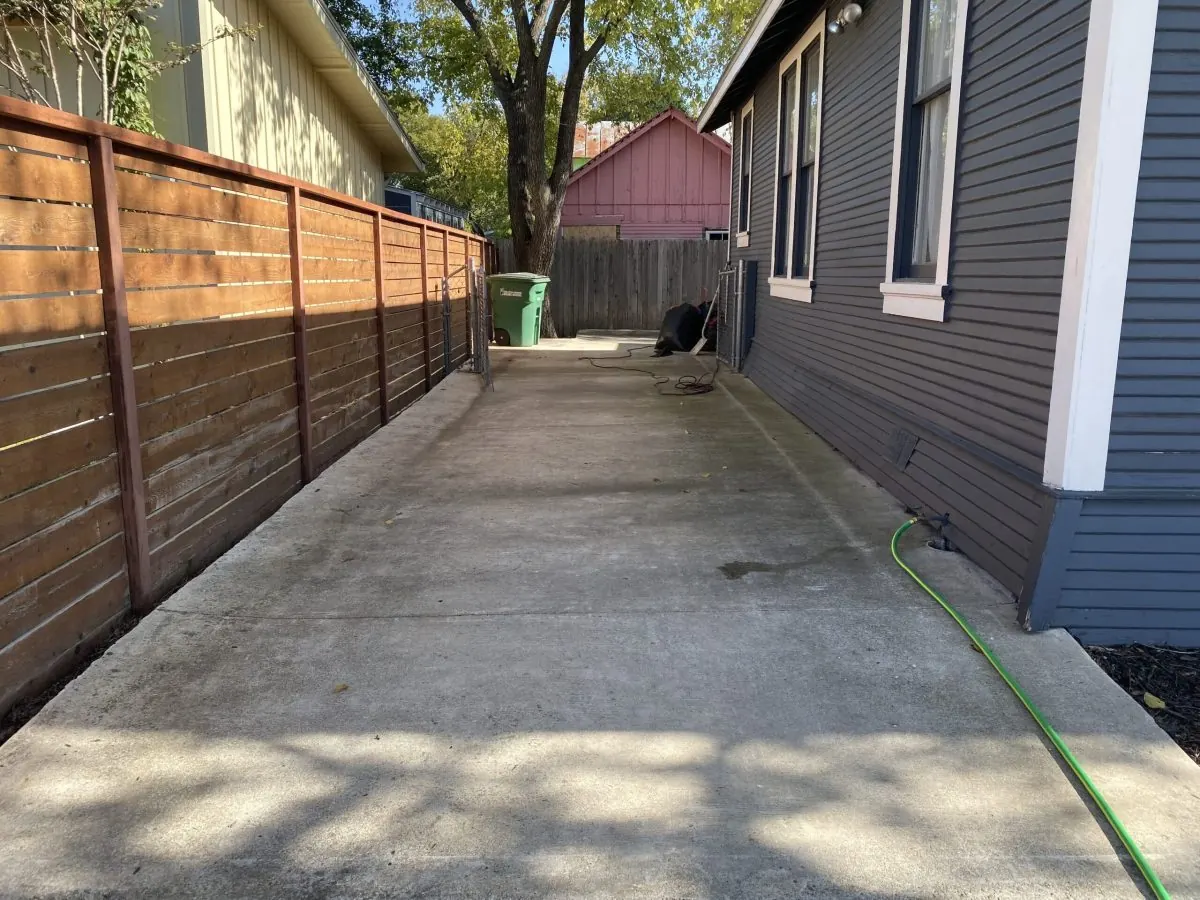
Concrete is porous, so it traps dirt, oil and spores in its pores, and limestone dust adds to the film. Sunlight and rain dry out wood and strip paint, which gives mildew a place to hold.
What safe DIY checks should I do first?
Start with a hose and a soft brush on a hidden spot. If the dirt lifts easily, a hose-end cleaner may be enough. Before you rent a machine, check these.
- Close windows and doors, and cover outdoor outlets and light fixtures.
- Test a small area with the lowest pressure first.
- Keep the wand pointed down on siding, never up under the laps.
- Stay on the ground. Do not use a pressure washer from a ladder.
Be careful with cleaners, too. Some detergents harm grass and shrubs, so wet plants first and rinse them afterward, and never mix cleaning chemicals.
What happens during a professional visit?
- The crew walks the property, notes the surfaces and picks the pressure for each.
- Plants are wetted, and windows, outlets and furniture are protected.
- Detergent is applied to siding and heavy stains and left to work.
- Concrete is cleaned with a surface cleaner, then walls are washed from the top down.
- Everything is rinsed, and the crew checks for missed spots and cleans up.
Most homes take a few hours, and surfaces are usually dry enough to use again the same day, depending on weather. Deep stains may need a second pass or a follow-up treatment.
For a house with both a dirty roof and dirty walls, ask for the roof to be done first, and see our page on Shingle Roof Cleaning, so runoff does not undo the clean ground below.
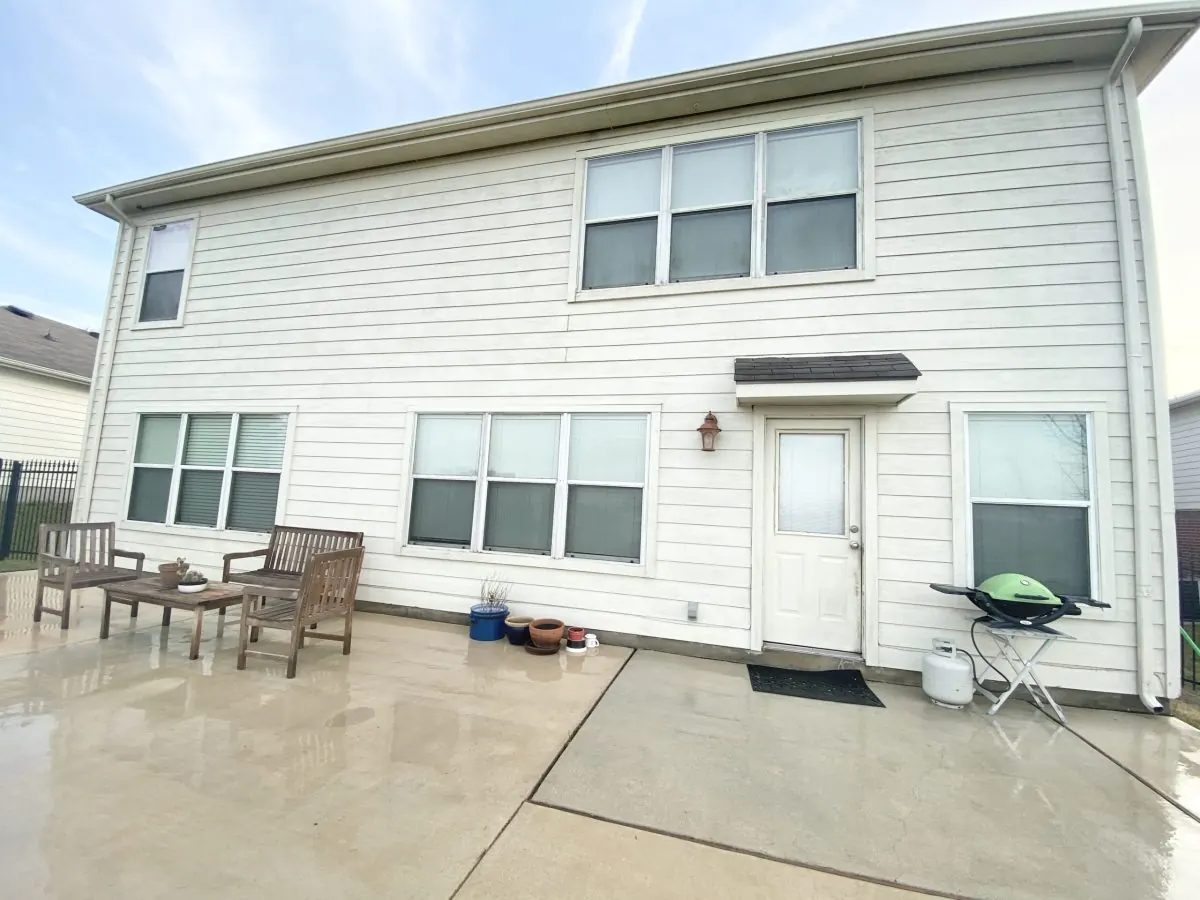
What affects the price of pressure washing?
| Factor | Effect on the quote |
|---|---|
| Surface area | Larger driveways, patios and walls take more time. |
| Material | Wood and painted siding need slower, gentler work than concrete. |
| Stains | Oil, rust and heavy mildew need extra products and passes. |
| Height and access | Two-story walls and tight yards add setup. |
Ask for a written quote that lists each surface and the pressure planned for it. You can get a roof cleaning quote in the same call.
Prices vary because the work varies. Two houses of the same size can cost different amounts if one has a long driveway and heavy oil stains and the other has only a small patio. Comparing written quotes line by line is the best way to see what you are really paying for. Keep in mind that the cheapest quote is not always the safest one.
When is pressure washing urgent?
Most jobs can wait for a convenient day, but a few cannot. A slick, mildew-covered walkway or steps is a slip hazard. Oil leaks that keep spreading, or a wall so covered in growth that it stays wet, are worth handling soon. Mold that returns right after cleaning can point to a moisture source such as a leaking hose bib or a gutter overflowing onto a wall, and that should be fixed too. Also have a pro check any peeling paint before you wash it, since old paint can contain lead.
Pressure washing FAQs
Can I pressure wash my roof?
No. High pressure damages asphalt shingles and can crack tile. Roofs should be cleaned with low-pressure soft wash instead.
What pressure is safe for a driveway?
Concrete can take strong pressure, often 3,000 PSI or more with a surface cleaner. Siding, wood and painted surfaces need much less, so the pressure and tip should match the material.
Will pressure washing remove oil stains?
Fresh stains often lift with a degreaser and a hot or strong rinse. Old oil that has soaked into concrete may fade but not disappear fully.
How often should I pressure wash my home?
Many homes do well with an exterior cleaning every year or two. Shaded areas, sprinklers that hit the walls and heavy tree cover can make mildew return sooner.
Is it safe to pressure wash vinyl or wood siding?
Yes, if the pressure is kept low and the spray is aimed down, never up under the laps. Forcing water behind siding can soak the wall.
Do I need to be home?
Usually not. Crews need outdoor water access and clear surfaces, so move cars, furniture and potted plants before they arrive.
Related services and areas
If the roof is next, see Soft Wash and Commercial Roof Cleaning. We also work in Stone Oak, Helotes and Alamo Heights.