Professional San Antonio roof cleaning that protects your roof
Black streaks, moss and grime shorten the life of a roof. Call for a safe, low-pressure soft wash handled by a local provider.
- Soft wash methods
- Shingle and tile
- Homes and commercial
What does roof cleaning do for a San Antonio home?
Roof cleaning removes algae, moss, lichen and built-up dirt using a low-pressure wash and a cleaning solution that kills growth at the source. The result is a brighter roof and less moisture held against the surface.
San Antonio has hot, humid summers, and that is exactly what black algae streaks need. A proper Soft Wash treats the cause instead of scrubbing the surface, which is why it is the standard method for Shingle Roof Cleaning and Tile Roof Cleaning.
A clean roof does more than look better. It sheds water more freely, resists new growth for longer and keeps debris from sitting on the surface. Local conditions matter here: hard water, limestone dust, live oak leaves and strong sun all leave their mark on roofs across the city. The sections below explain the causes, the methods, what to expect and how to choose a good cleaner.
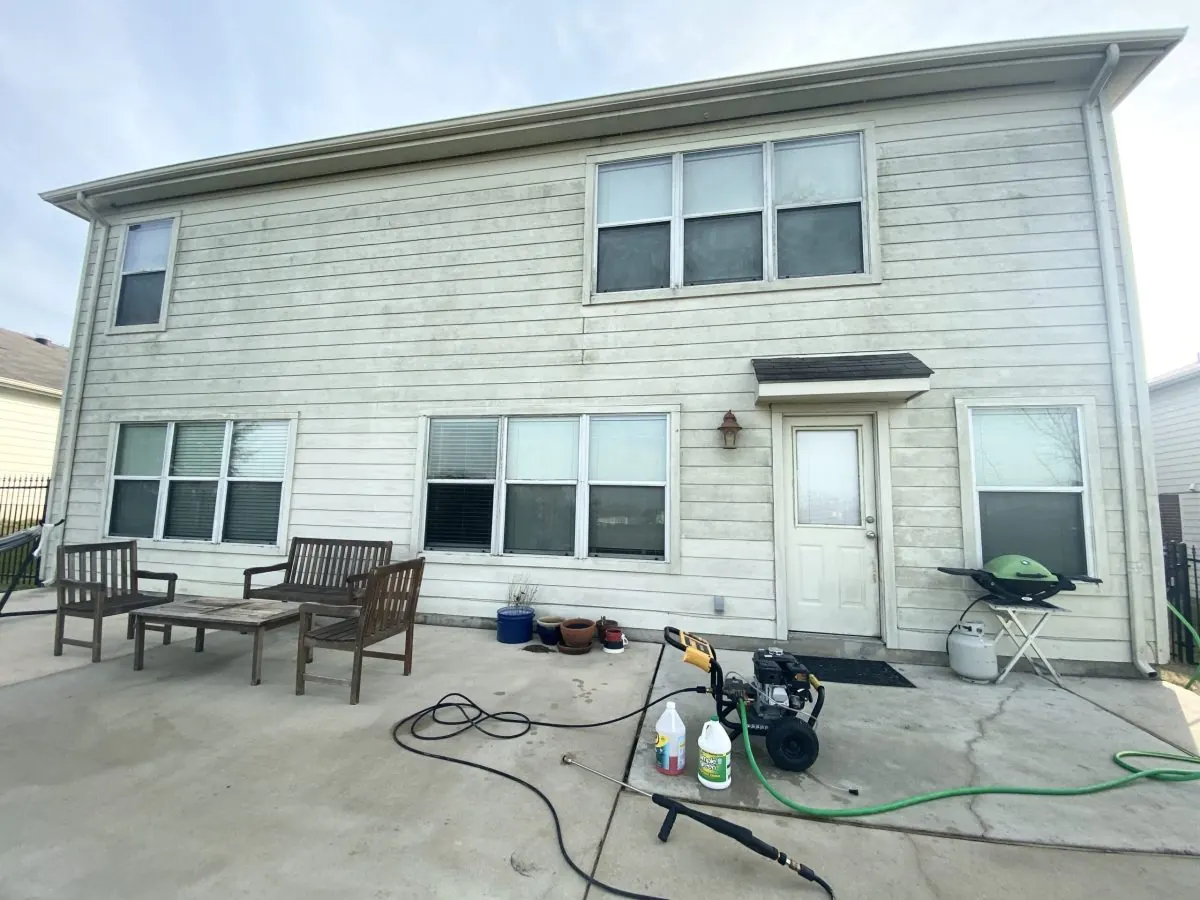
Before: mildewed siding and patio. Hard surfaces like this can take higher pressure. Roofs should not.
Roof cleaning services in San Antonio
Pick the service that matches what you see on your roof or property. Each page explains the method, the warning signs, the causes and what to expect, so you know what a good cleaning looks like before you call. If you are unsure which one fits, call and describe what you see.
Pressure Washing
Driveways, patios, siding and fences cleaned at the right pressure, with roofs kept for soft wash.
Learn moreSoft Wash
Low-pressure roof washing that lifts algae and dirt without stripping shingle granules.
Learn moreTile Roof Cleaning
Gentle cleaning for clay and concrete tile that cuts moss and discoloration.
Learn moreShingle Roof Cleaning
Restore asphalt shingle roofs and slow the damage that grime and algae cause.
Learn moreCommercial Roof Cleaning
Roof cleaning for offices, retail and multi-unit buildings across the city.
Learn more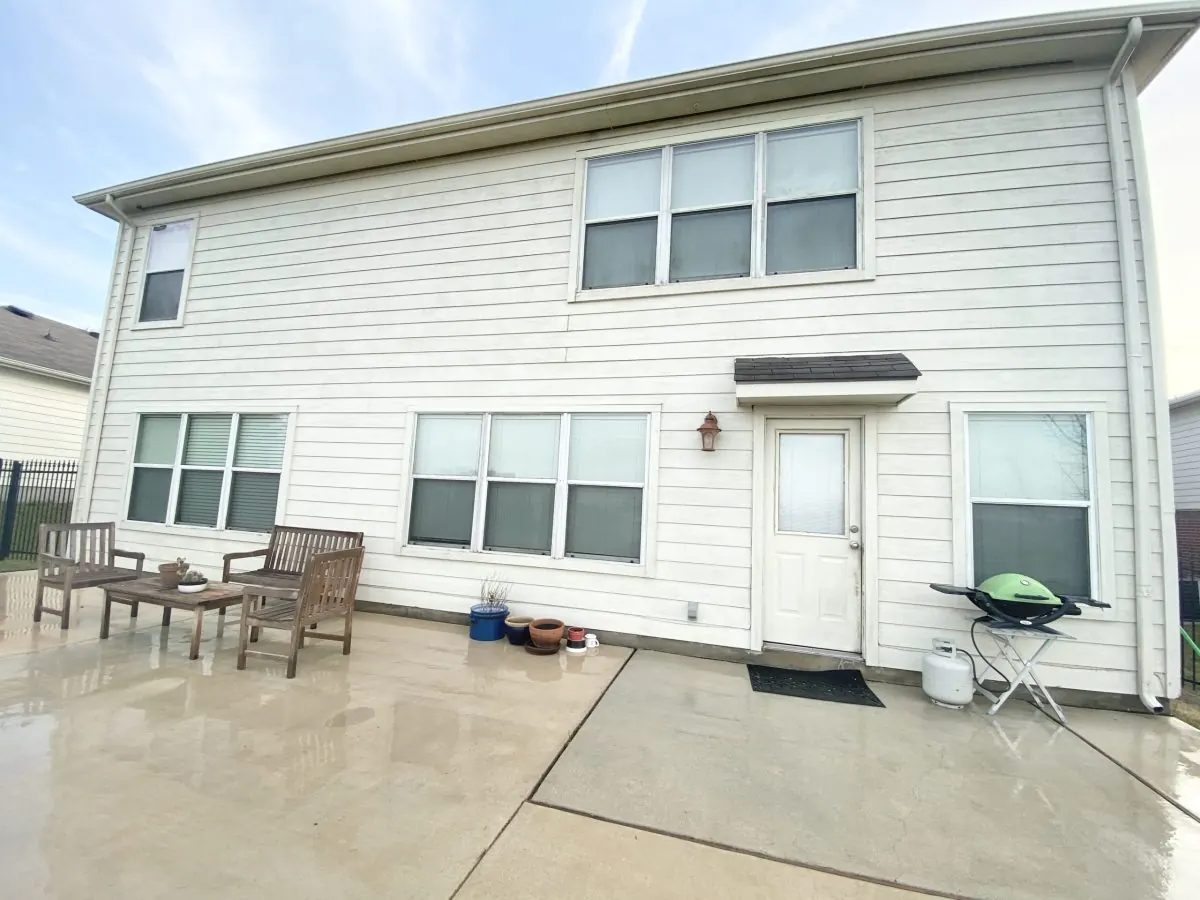
After: clean siding and patio on the same house.
Should you clean the rest of the exterior too?
Often, yes. Algae and mildew that streak a roof also show up on siding, fences and concrete, and rain runoff from a dirty roof can stain walls and driveways below it. Cleaning everything in one visit gives a more even result and saves a second setup.
Hard surfaces can take higher pressure than a roof, which is why Pressure Washing is a separate service. Siding, patios and wood fences each need the right pressure and distance, so a pro will adjust for the material rather than use one setting everywhere. Wood in particular can be scarred by too much pressure, so a lighter pass is safer.
What are you seeing on your roof?
Tap the closest match to read about the right fix.
Why do roofs get dirty in San Antonio?
A dirty roof is not just a cosmetic problem. The same conditions that streak a roof also keep it damp, hold debris against it and slowly wear down its surface.
What causes black streaks and algae?
The dark streaks are usually Gloeocapsa magma, a cyanobacteria carried by wind. It thrives in warm, humid conditions, which describes a San Antonio summer well. The dark outer layer protects the algae from sunlight, which is why the streaks look black rather than green. Shaded slopes stay damp longest, so the streaks often start there and spread downhill with rain runoff. Our page on Algae & Black Streak Removal covers the details.
Moss, lichen and leaf debris
Live oak leaves, pollen and juniper needles collect in valleys, behind chimneys and along the lower edge of the roof. That layer holds water, and moss and lichen then take root in it. Moss can lift the edges of shingles and work between tiles, so it should be removed rather than left to grow.
How can you tell what is on your roof?
Look from the ground with binoculars, or check a photo taken from the yard. Dark vertical streaks point to algae. Green, thick, fuzzy patches point to moss. Crusty gray or green circles point to lichen. Granules in the gutters or downspout outlets point to shingle wear, which should be checked before any cleaning. Never climb onto a wet roof to inspect it.
Why does the cleaning method matter?
Asphalt shingles are coated with granules that shield the roof from sun. High pressure knocks those granules off and can push water under the shingles. Many manufacturers advise against pressure washing a roof. This is why Pressure Washing is used on driveways, patios and siding, while roofs get Soft Wash, which relies on a cleaning solution, a dwell time and a low-pressure rinse.
How does a soft wash work step by step?
The crew first wets plants and covers or moves delicate items. They then apply a mix of water, a cleaning agent and a surfactant that helps it cling to the roof. The solution sits for a short dwell time while it breaks down algae, moss and lichen at the root. Finally the roof is rinsed at low pressure from the top down so that dirty water runs off the edge and into the gutters. Rinsing the landscaping afterward is a normal part of the job.
How do roof materials differ?
Asphalt shingles are the most common roof on San Antonio homes and are the most sensitive to pressure. Clay and concrete tile are tougher on the surface but can crack if someone walks on them carelessly, so crews use soft shoes and plan each step. Metal roofs are smooth and clean easily, but they can scratch and slip when wet. Flat commercial roofs add ponding water and drain areas that need attention.
When is the best time to clean a roof?
Choose a dry, calm day. Very hot midday sun makes the solution dry too fast, and strong wind can carry spray onto cars and plants. Many owners schedule cleaning in spring or fall, after pollen and leaf drop, so that the roof starts the season clean.
How often should it be repeated?
It depends on shade and trees. A sunny roof may stay clean for years, while a roof under live oaks may need attention sooner. A quick look from the ground each season will tell you when the streaks are coming back.
What happens after the cleaning?
The cleaning solution keeps working after it is applied, so growth continues to fade over the following days and rain rinses the remaining residue. Results on Shingle Roof Cleaning and Tile Roof Cleaning are usually visible within days to weeks. Some homeowners add zinc or copper strips near the ridge, since rain carries trace metal ions down the roof that slow regrowth.
When is a roof cleaning not enough?
Cleaning cannot fix curled shingles, bare spots, cracked tile or active leaks. If you see missing granules, daylight in the attic or water stains on ceilings, have a roofer inspect the roof first.
A simple four-step process
From your call to a cleaner roof.
Call
Describe your roof and what you see.
Match
Get matched with a local roof cleaning pro.
Quote
Get a written price before work starts.
Clean
Your roof is soft washed at low pressure.
What does it cost to put roof cleaning off?
Small growth is easy to remove. Old growth is not.
Algae and moss spread a little each season. A roof with light streaks can often be cleaned in one visit, while a roof with thick moss may need more time and more careful work around lifted edges.
A dirty roof also stays damp longer after rain, and that moisture speeds up shingle wear. Dark streaks absorb more heat than clean shingles, so a streaked roof can run hotter in the Texas summer. If you plan to sell, a dull, streaked roof also lowers curb appeal fast.
The cost of waiting is rarely a single big bill. It is a shorter roof life and a harder cleaning job later. Check for streaks each spring and fall, and book the cleaning before moss gets thick.
What affects the cost of roof cleaning?
Every roof is different, so quotes vary.
| Factor | Why it changes the quote |
|---|---|
| Roof size and pitch | More area and steeper slopes take more time and safety setup. |
| Material | Asphalt shingle, clay tile, concrete tile and metal each need a different mix and method. |
| Growth level | Light dirt cleans faster than thick moss or lichen. |
| Access and stories | Tall homes, landscaping and tight yards add setup work. |
Ask for a written quote that lists the roof material, the method and what is included. A quote that only says pressure washing for a shingle roof is a warning sign. Compare methods first, then compare prices. A very low price often means a rushed job or the wrong method.
Extra work such as gutter rinsing, moss treatment on tile or cleaning a detached garage roof can change the total, so ask what is included before you agree.
Roof cleaning across San Antonio neighborhoods
Local conditions change what a roof needs.
Stone Oak is a large north-side area of mostly newer homes, and many roofs there are asphalt shingle under heavy tree cover. Shade and moisture let algae settle in early, and shaded north-facing slopes usually show it first.
Alamo Heights has many older homes, and clay tile is common alongside mature oaks. Older tile and aging roofs need gentle, low-pressure methods, and a careful check for loose or cracked pieces before any washing.
Shavano Park has larger wooded lots, so leaves, pollen and shade collect on roofs and feed moss. Debris in valleys and behind chimneys is a frequent trouble spot.
The Dominion is a gated community of high-end homes, where steep pitches and tile roofs are common. Homeowners there often want a roof that matches the look of the neighborhood, and cleaning needs careful access and fall protection.
In Helotes, Hill Country juniper and oak drop needles and leaves onto roofs, which hold moisture against the surface. Larger lots and longer driveways also affect how a crew sets up.
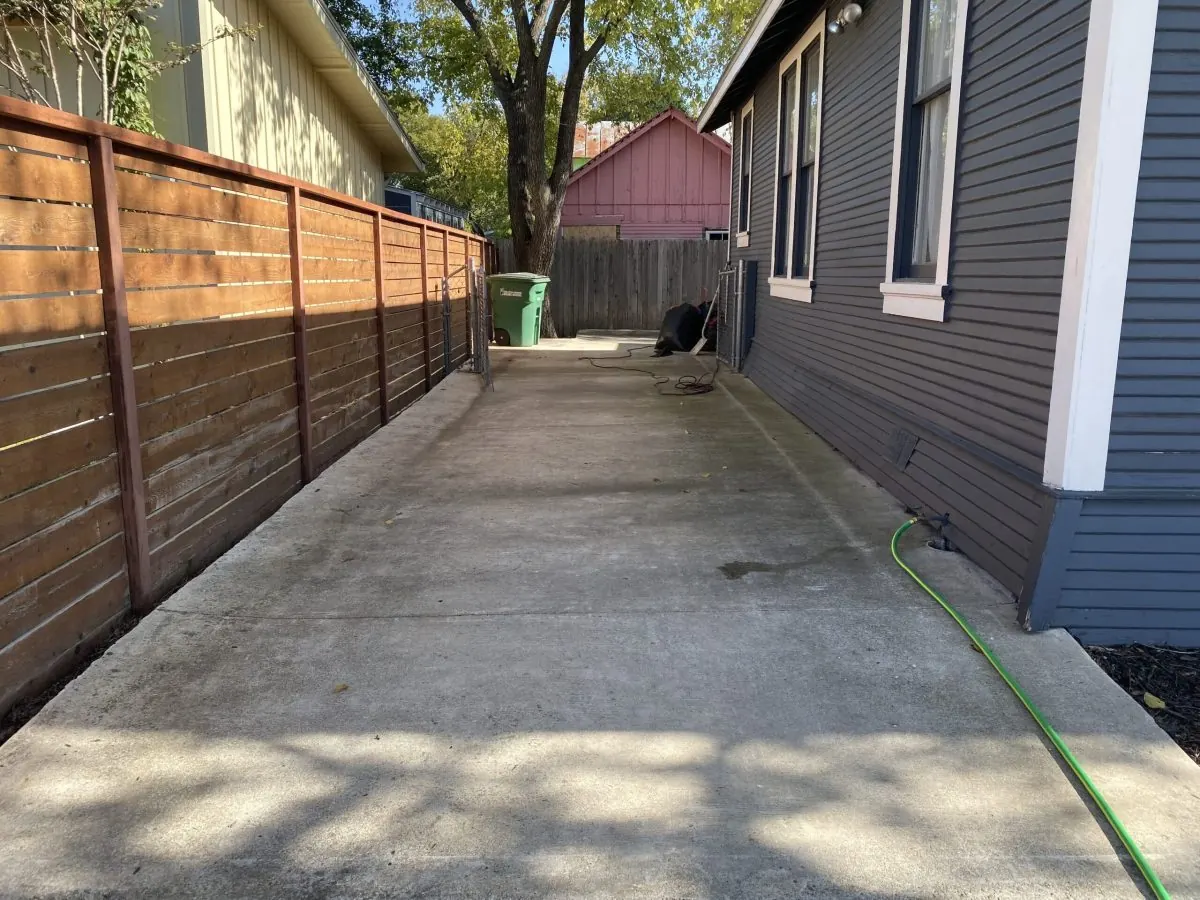
For a full overview see About us or contact us. We serve all of San Antonio.
What should you have ready?
A few details help you get a clear quote faster.
- Roof type: asphalt shingle, clay tile, concrete tile or metal.
- Number of stories and the rough size of the house.
- What you see: streaks, moss, debris or stains.
- Your neighborhood and the best days for access.
- A few photos from the ground, if you have them.
What should a good roof cleaner do?
Whoever you hire, hold them to these standards.
Ask how they plan to clean your roof. A good answer is soft wash at low pressure with a cleaning solution, not a pressure washer. For tile, ask how they will avoid walking on fragile pieces.
- A written quote that names the roof material and the method.
- Proof of liability insurance, since work at height is risky.
- A plan to protect plants, windows, air conditioning units and outdoor furniture.
- Clear steps for rinsing gutters and downspouts.
For hard surfaces such as patios, see Pressure Washing. For office and retail buildings, see Commercial Roof Cleaning.
Roof cleaning questions answered
Straight answers before you call.
How much does roof cleaning cost in San Antonio?
Price depends on roof size, pitch, material, how many stories the home has and how heavy the growth is. Providers quote after a short conversation or a photo review, so ask for a written figure before work starts.
Is pressure washing safe for my roof?
High pressure is not safe for asphalt shingles or tile. It can blast away the protective granules and push water under the shingles. Roofs should be cleaned with a low-pressure soft wash instead.
What are the black streaks on my roof?
They are usually a cyanobacteria called Gloeocapsa magma, commonly called roof algae. It spreads in warm, humid climates and shows up first on shaded, north-facing slopes.
How often should a roof be cleaned?
Many homes in humid regions benefit from a check every few years. Shaded roofs under live oaks grow algae and moss faster than roofs in full sun.
Do I need to be home during the cleaning?
Usually not, as long as the crew can reach the roof and water. You should move vehicles and outdoor items away from the house first.
Will roof cleaning damage my roof?
Not when it is done with low pressure and the right cleaning solution. Damage usually comes from high-pressure washing, which strips shingle granules and can force water under tiles.
How long does a roof cleaning take?
Most homes take a few hours, depending on roof size, pitch and access. Heavy moss or a large multi-section roof can take longer.
Will the black streaks come back?
Algae can return, because the spores are carried by wind and are always present. A good cleaning slows regrowth, and zinc or copper strips near the ridge can help keep it from returning as quickly.
Is the cleaning solution safe for my plants and pets?
Providers normally wet down plants first, apply the solution at low pressure and rinse the landscaping afterward. Keep pets indoors during the work and until surfaces are dry.
Can a dirty roof really shorten its life?
It can. Algae feed on materials in the shingle, and moss holds moisture against the roof. Over years that can speed up granule loss, curling and lifted edges.
Get your roof cleaned the safe way
Call now to describe your roof, ask your questions and get a clear next step. Have your roof type, the number of stories and your neighborhood handy, and ask for soft wash by name so your shingles or tile stay protected from start to finish.
(210) 898-9125 Call now