What is commercial roof cleaning?
Commercial roof cleaning removes algae, mildew, dirt, debris and stains from the roofs of offices, shopping centers, apartment buildings, warehouses and other larger properties. These roofs are usually flat or low-slope, covered with a membrane or metal, and they shed water differently from a home's pitched roof.
The goal is the same as for homes: clean the surface without damaging the roof. That means the same low-pressure thinking explained under Soft Wash, adjusted for membranes, seams and rooftop equipment. If you manage a house as well, our page on Shingle Roof Cleaning covers the pitched roofs.
Commercial work differs from residential in more than size. There are often several decision makers, tenants to inform, insurance requirements to meet and a maintenance schedule to fit around. A provider who understands this will ask about the building's use, hours and rooftop access before quoting a price.
How are commercial roofs cleaned?
The method depends on the roof material. A provider will usually identify the roof first, because a product that is fine for metal may not suit a single-ply membrane.
- TPO and EPDM membranes. Cleaned with a mild solution and a gentle rinse or soft brush, avoiding anything that could damage seams.
- Modified bitumen and built-up roofs. Treated with care at low pressure so the surface layer is not stripped.
- Metal roofs. Cleaned with a compatible solution and rinsed well, without scratching the finish.
- Tile. Handled like a residential tile roof, with careful access.
Water management matters on a flat roof. Crews clear drains, scuppers and gutters first, so dirty water does not back up or pond.
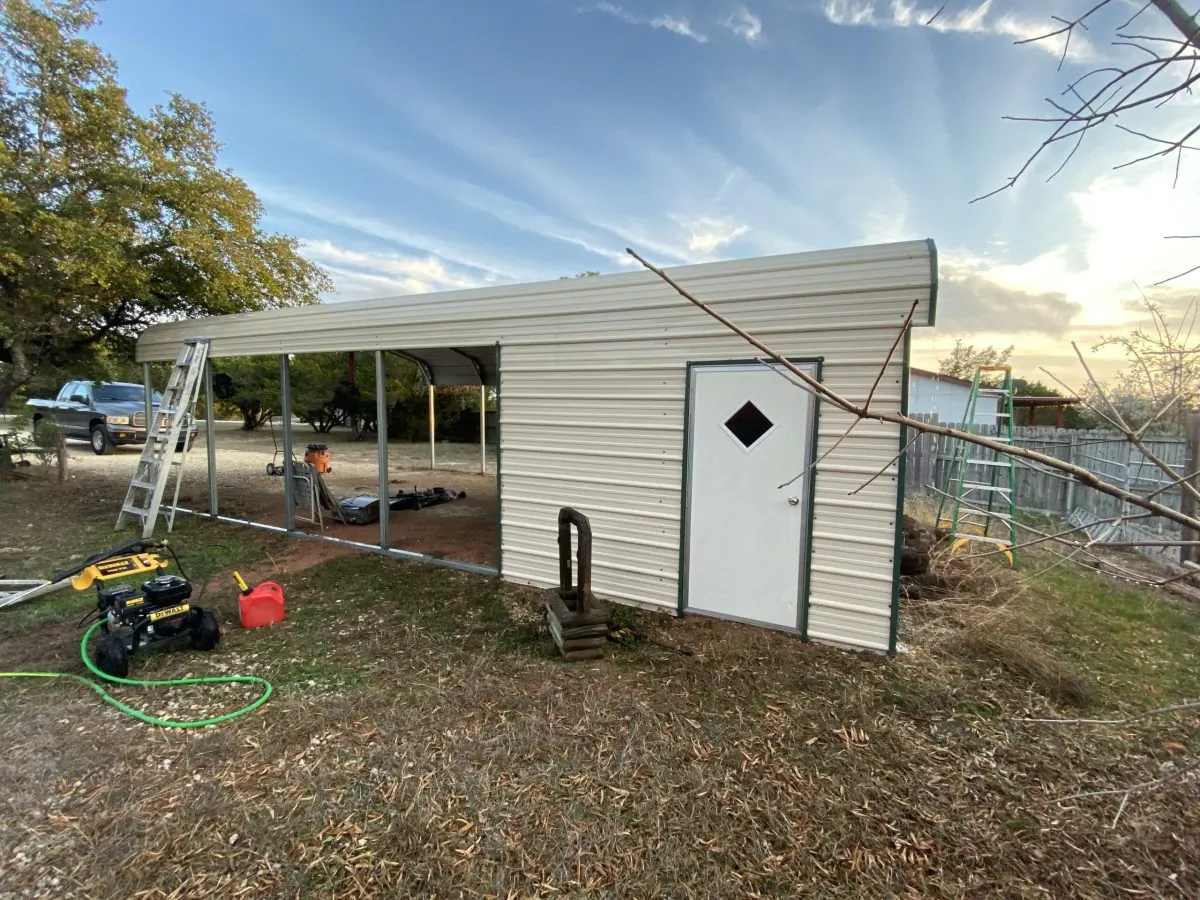
Safety is a bigger part of the job on tall or edge-exposed roofs. Crews use fall protection, controlled access and clear work zones, and they plan around wind and weather. Do not accept a quote that skips these details, since an injury on your property can become your problem.
What are the signs a commercial roof needs cleaning?
- Dark streaks or patches on a light-colored membrane.
- Green or black growth in shaded areas and around drains.
- Leaves, dirt and trash collecting at drains, parapets and equipment.
- Standing water that leaves dirty rings after it dries.
- Stains running down the walls below the roofline.
- A roof that looks much darker than when it was installed.
- Tenant or customer complaints about the building's appearance.
- Debris that clogs scuppers and downspouts.
A clean roof is also easier to inspect. Dirt, debris and growth can hide cracked seams, blistering, open flashing and failing sealants, and a cleaned roof lets a roofer see problems early, when repairs are small.
What causes the buildup on commercial roofs?
Flat and low-slope roofs drain slowly, so water sits longer and dirt settles. In San Antonio's humid climate, that moisture invites algae and mildew, especially around drains and in shaded corners. Nearby trees drop leaves and pollen, while air conditioning units, vents and other rooftop equipment create drip lines and stains.
Traffic adds to it. Vehicles, nearby construction and busy roads leave dust, and workers who walk the roof for equipment service can track in dirt. The black streaking you see on light membranes is similar to what is explained on the Algae & Black Streak Removal page.
The building's surroundings matter, too. Trees near the roof edge, loading areas and nearby construction all raise the amount of debris, and shaded sections near walls and equipment stay damp longest. Each of those is a good place to look first.
What safe checks can property managers do first?
You can learn a lot without going near the roof edge. Use building plans, past inspection reports or roof photos, and check from a safe, approved access point if one exists.
- Do not send staff or tenants onto the roof without proper access and fall protection.
- Do check drains and downspouts from the ground and look for overflow stains on the walls.
- Do gather the roof material, age, and warranty documents before you request a quote.
- Do not use a pressure washer on a membrane roof.
Share the paperwork with the provider ahead of time. Warranty documents, maintenance records and any manufacturer cleaning guidance help them choose a safe method. Tell them about rooftop equipment, solar panels and any areas where staff should not walk.
What happens during a professional commercial cleaning?
- The crew reviews the roof type, access points, drains and equipment, and agrees on a scope with you.
- Work areas are set up, with signs or barriers where needed and protection for vents and units.
- Drains and scuppers are cleared, and debris is removed.
- The cleaning solution is applied, left to work, and rinsed at low pressure.
- The crew checks the drains again, notes any damage and reports back.
Ask for a short written summary and photos afterward. They help the maintenance file and show any issues, such as lifted seams or damaged flashing, for a roofer to review.
Plan the visit around your property. Many managers schedule cleaning in the off-season for their business, during low-traffic hours or alongside other maintenance. Notify tenants about timing and access, and move vehicles away from loading and wash areas on the day of the work.
What affects the price of commercial roof cleaning?
| Factor | Effect on the quote |
|---|---|
| Roof area | Larger roofs take more time, product and crew. |
| Material | Membranes, metal and tile each need specific products. |
| Access and safety | Height, ladders, lifts and fall protection add setup. |
| Condition and debris | Heavy growth, ponding and clogged drains add work. |
Ask for a written scope and compare providers on method and insurance. For a single quote across buildings, start with San Antonio roof cleaning.
Think about a recurring plan. Rather than waiting for stains to build, some owners schedule a yearly roof check and clean as needed. Regular attention keeps the work smaller and the roof in better shape, which can help when you sell, lease or refinance the building.
When is it urgent?
Act quickly if drains are blocked, water is ponding after rain or you see staining and leaks inside the building. Clogged drains put extra weight and moisture on the roof. If there are active leaks, call a roofer first, because cleaning will not fix a failed seam or flashing.
Cost control comes from clear scope. Ask the provider to list the roof sections, the drains and the equipment they will clean around, and whether the price covers a second treatment on heavy growth. Having each of these points in writing reduces surprises, and makes it simple to compare two quotes side by side.
Finally, remember the neighbors of the building. Runoff from a cleaning should be managed so that it does not carry debris into parking areas or storm drains. Ask the provider how they handle wash water, and follow any local rules for the property.
Taken together, these steps keep a commercial roof cleaner, safer and easier to maintain, and they give you a record to rely on if questions arise later about the roof's condition or the work that was done.
Commercial roof FAQs
What types of commercial roofs can be cleaned?
Common types include TPO, EPDM, modified bitumen, built-up, metal and tile. Each material needs its own cleaning method and product, so the provider should ask what you have first.
Will cleaning interrupt my business?
Usually only a little. Work is done on the roof, and many providers schedule around business hours, tenant needs and weather. Ask about noise, parking and access in advance.
Can cleaning affect my roof warranty?
It can if the wrong method is used. Many membrane makers publish cleaning guidance, so check your warranty paperwork and share it with the provider before work starts.
How often should a commercial roof be cleaned?
It depends on trees, nearby traffic, shade and the material. Many owners fold roof checks into a regular maintenance plan and clean when staining or debris builds up.
Does a clean roof help the building?
It keeps drains clearer, makes damage easier to spot and can help a light-colored roof stay more reflective. It also gives the property a better appearance.
What should I ask for in a quote?
A written scope that lists the roof type, the method, the areas covered, the insurance carried and what is done about drains, vents and equipment on the roof.
Related services and areas
Many commercial properties also need parking lots, sidewalks and building walls cleaned, which is covered under Pressure Washing. We serve Stone Oak, Shavano Park and The Dominion. To start, find roof cleaning near you.